How to Inspect Color-Coated Aluminum Strip Before Cable Manufacturing
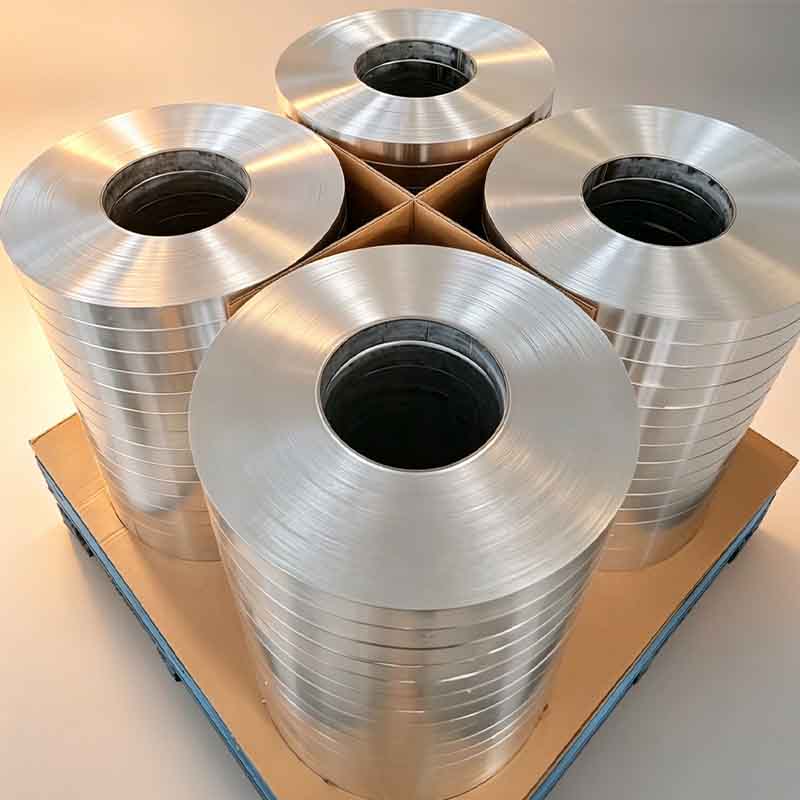
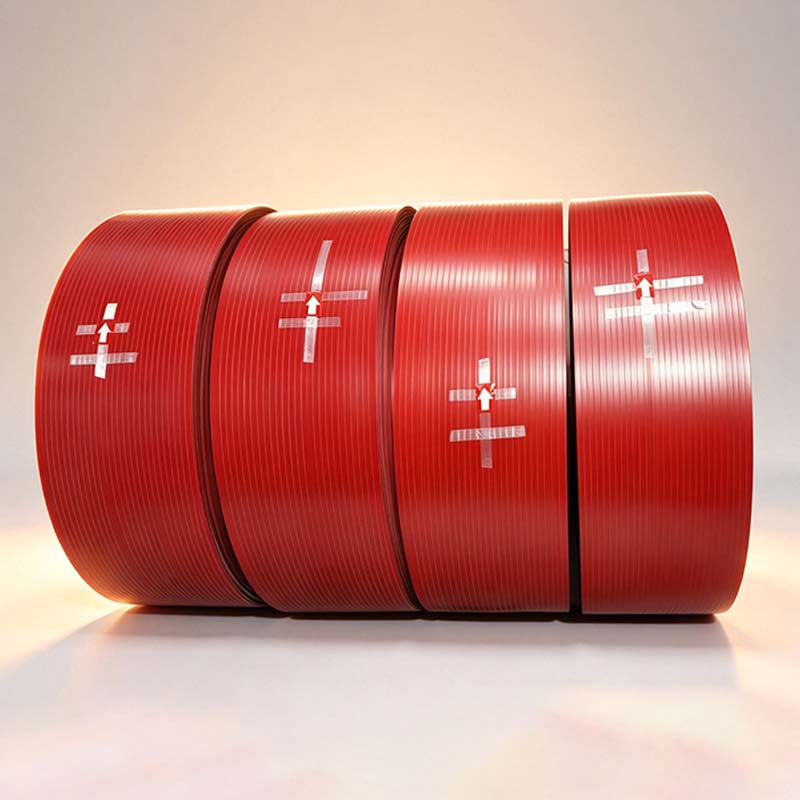
Color-coated aluminum strip is widely used in cable manufacturing for shielding, wrapping, identification, and protective armor applications. Its lightweight structure, corrosion resistance, smooth surface, and customizable appearance make it a practical alternative to heavier metal materials in many cable designs. However, even high-quality material can create production issues if it is not inspected carefully before entering the cable armoring or wrapping line.
A proper incoming inspection process helps cable manufacturers prevent coating damage, unstable winding, insulation abrasion, color inconsistency, and unnecessary material waste. Before using a coil, quality teams should inspect the strip's color consistency, surface quality, coating adhesion, oil condition, coil winding, edge burrs, and thickness variation.
1. Check Color Consistency
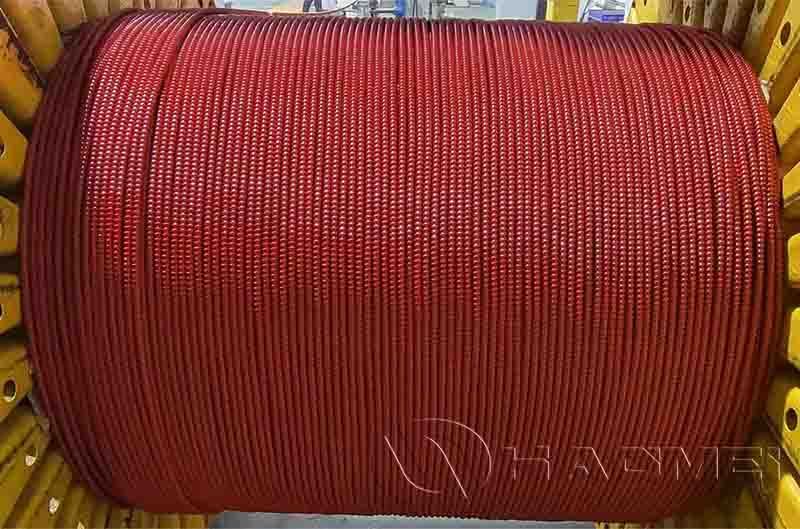
Color is often more than a decorative feature. In cable production, colored aluminum strip may be used to distinguish different cable types, voltage classes, customer brands, or application environments. Therefore, visual consistency is essential.
Inspect the coil under stable lighting conditions, preferably natural light or standardized inspection lighting. Compare the material with the approved color sample or customer reference panel. Look for differences in shade, gloss, brightness, and coating uniformity across the coil width and length.
Common color-related defects include:
- Uneven color tone between the coil edges and center
- Gloss variation or dull areas
- Color streaks caused by uneven coating application
- Batch-to-batch color differences
- Fading or discoloration caused by poor storage conditions
For large cable projects, it is important to inspect multiple coils from the same batch. Even slight color differences can become visible when cables are installed side by side.
2. Inspect the Surface for Defects
The aluminum strip surface should be clean, smooth, and free from defects that could affect cable appearance or production performance. Surface problems may cause poor wrapping quality, coating cracking, or damage to the cable jacket during high-speed processing.
During inspection, uncoil a sufficient length from the outer layers and examine both sides of the strip. Check for:
- Scratches and scuff marks
- Dents, pits, and pinholes
- Roll marks or pressure marks
- Coating bubbles and blisters
- Cracks, peeling, or flaking paint
- Foreign particles embedded in the coating
- Water stains or oxidation spots
- Wrinkles, waves, and uneven flatness
Minor cosmetic marks may be acceptable for some industrial cable products, but defects should never interfere with strip feeding, overlap wrapping, or insulation protection. For premium cable applications, such as outdoor power cable, communication cable, or branded electrical products, surface appearance requirements may be stricter.
3. Test Coating Adhesion
Coating adhesion is one of the most important quality indicators for color-coated aluminum strip. If the paint layer does not bond properly to the aluminum substrate, it may peel or crack during slitting, bending, forming, and cable armoring.
A simple cross-hatch adhesion test can be used for incoming inspection. Make a grid pattern on the coated surface with a sharp blade, apply adhesive tape over the cuts, and remove the tape at a controlled angle. If significant coating comes off with the tape, the adhesion may be insufficient.
Bend testing is also useful. Bend a small sample around a specified diameter or conduct a T-bend test according to the required standard. After bending, inspect the coating for cracking, whitening, delamination, or loss of adhesion.
This is especially important when using Polyester coated aluminum strip, as coating flexibility must match the forming requirements of the cable manufacturing line. A coating that looks good before processing but cracks during wrapping will reduce the cable's final quality and durability.
4. Check for Oil Stains and Surface Contamination
Oil stains are a common issue in aluminum strip processing. Excess rolling oil, lubricants, fingerprints, dust, or chemical residue can negatively affect handling and downstream performance.
Inspect the surface visually and wipe a sample area with a clean white cloth. Any obvious oily residue, dark smears, or contamination should be recorded. Excessive oil can cause several problems:
- Poor coating adhesion in later processing
- Slippage during cable wrapping or armoring
- Dirt accumulation during storage
- Reduced friction control on high-speed production lines
- Difficulty in bonding or laminating operations
A slight amount of processing oil may be acceptable depending on the application, but the strip should not feel greasy or leave visible oil marks on gloves, packaging, or cable components.
5. Examine Coil Telescoping and Winding Quality
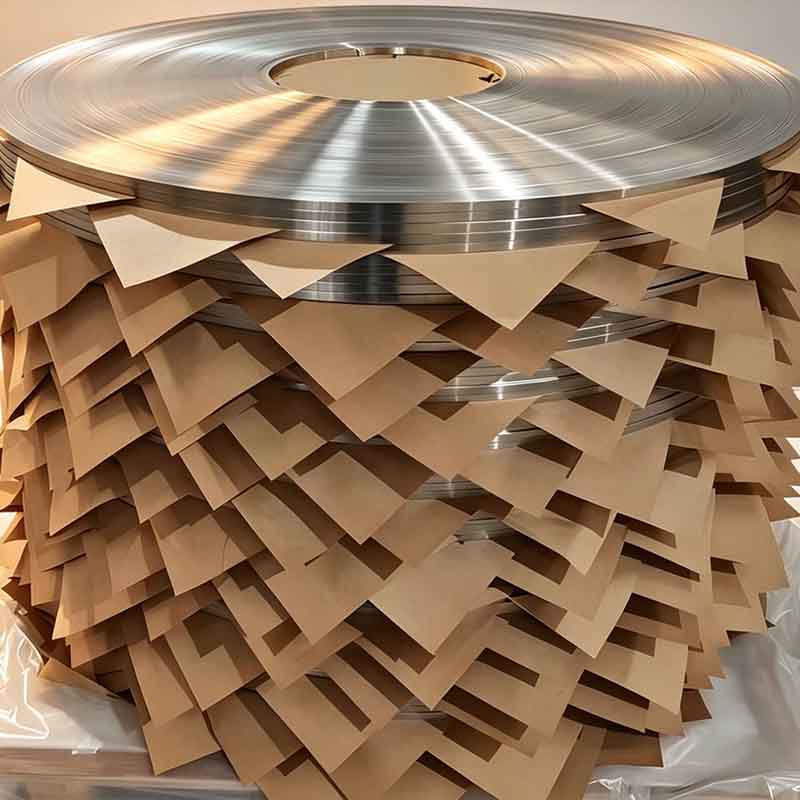
Coil winding quality has a direct impact on production safety and efficiency. Telescoping occurs when coil layers shift sideways, creating an uneven coil face. Severe telescoping can make the coil unstable, difficult to mount on the uncoiler, and more likely to collapse or jam during operation.
Inspect the coil from both sides. The coil edges should be relatively aligned, tight, and uniform. Watch for:
- Telescoping or stepped coil edges
- Loose winding
- Coil collapse
- Uneven tension between layers
- Damaged inner cores
- Edge dents caused by handling or transport
- Excessive coil-to-coil offset
A well-wound coil should unwind smoothly without sudden tension changes. Poor winding can lead to strip breakage, uneven overlap, and frequent machine downtime.
6. Inspect Edge Burrs Carefully
Burrs are sharp or rough projections along the slit edges of aluminum strip. They are usually caused by improper slitting conditions, worn blades, or poor edge trimming. Although burrs may appear small, they can create serious problems in cable production.
Sharp edges may scratch or cut cable insulation, interfere with wrapping, and increase the risk of operator injury. Burrs can also cause strip tearing when the material passes through guides, rollers, or forming equipment.
Inspect both strip edges by touch—using protective gloves—and with magnification if necessary. The edges should be smooth, clean, and free from sharp metal fragments. Suppliers should be able to provide suitable edge conditions according to the cable application, such as deburred, round-edge, or controlled slit-edge requirements.
7. Measure Thickness Variation
Consistent thickness is essential for stable cable manufacturing. Excessive thickness variation can affect strip weight, overlap coverage, cable diameter, bending performance, and material consumption.
Use a calibrated micrometer to measure thickness at multiple points across the strip width: near both edges and at the center. Measurements should also be taken from several locations along the coil length. Compare the results with the specified nominal thickness and allowable tolerance.
When purchasing Coil coated aluminum strip, manufacturers should clearly define thickness tolerance, width tolerance, alloy, temper, coating thickness, and coil dimensions in the purchasing specification. Consistent material dimensions help maintain stable line speed and reduce adjustment time during production.