Choosing the Correct Width and Thickness for Interlocking Aluminum Strip
Interlocking aluminum strip plays a critical role in the protection and performance of armored electrical cables. Used widely in power distribution, industrial control, mining, construction, and renewable energy applications, this material forms a flexible yet durable armor layer around the cable core. Selecting the correct width and thickness is essential because these dimensions directly affect cable strength, flexibility, manufacturing efficiency, installation convenience, and compliance with applicable standards.
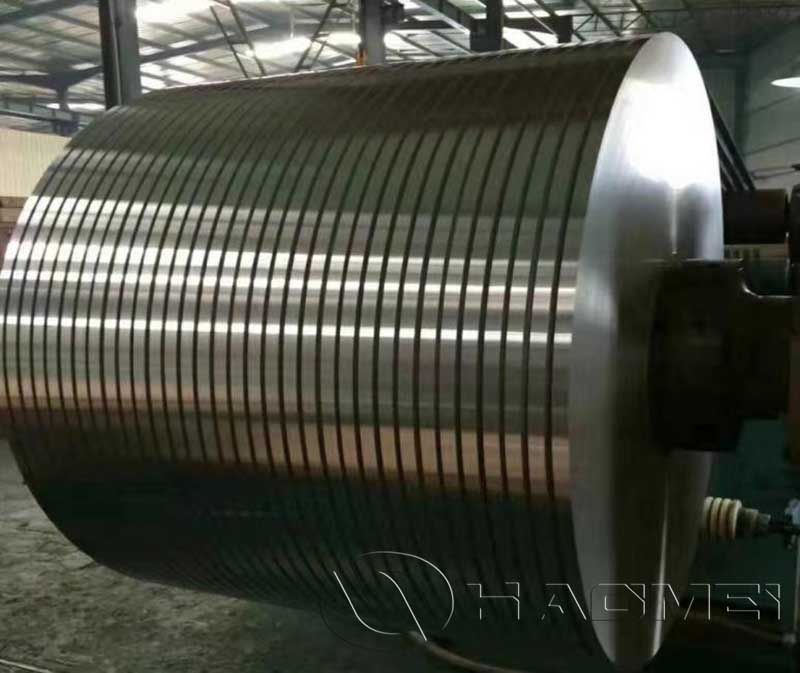
This guide explains the main factors to consider when choosing an interlocking aluminum strip for cable armor applications.
Understanding the Function of Interlocking Aluminum Armor
Unlike smooth metallic tape, interlocking armor is formed into a profile that mechanically locks together during the cable manufacturing process. This construction creates a continuous protective layer while preserving a degree of flexibility. The armor helps protect the cable against crushing, impact, abrasion, and mechanical damage during handling and operation.
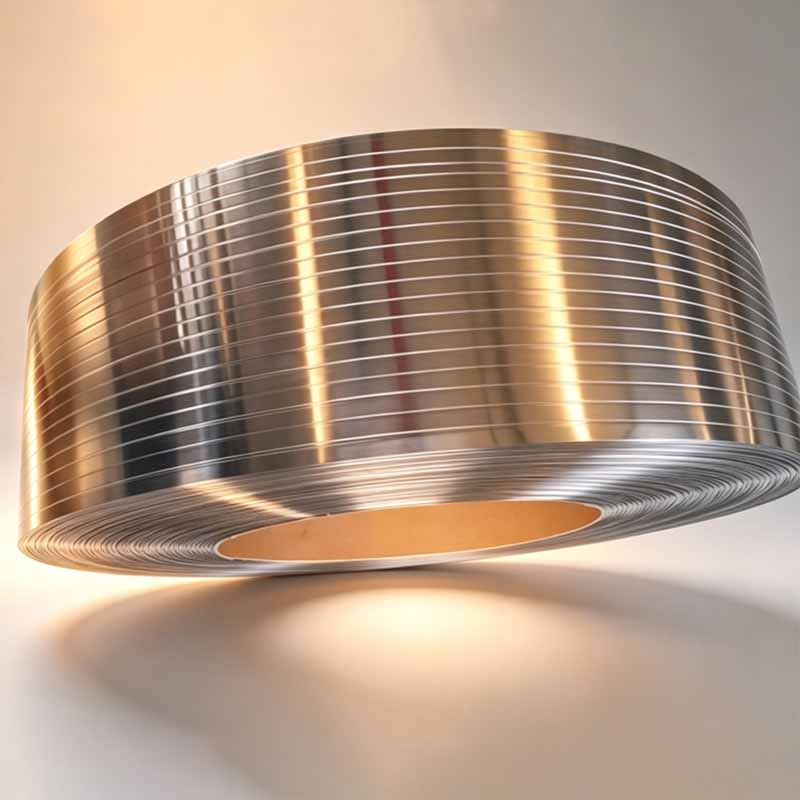
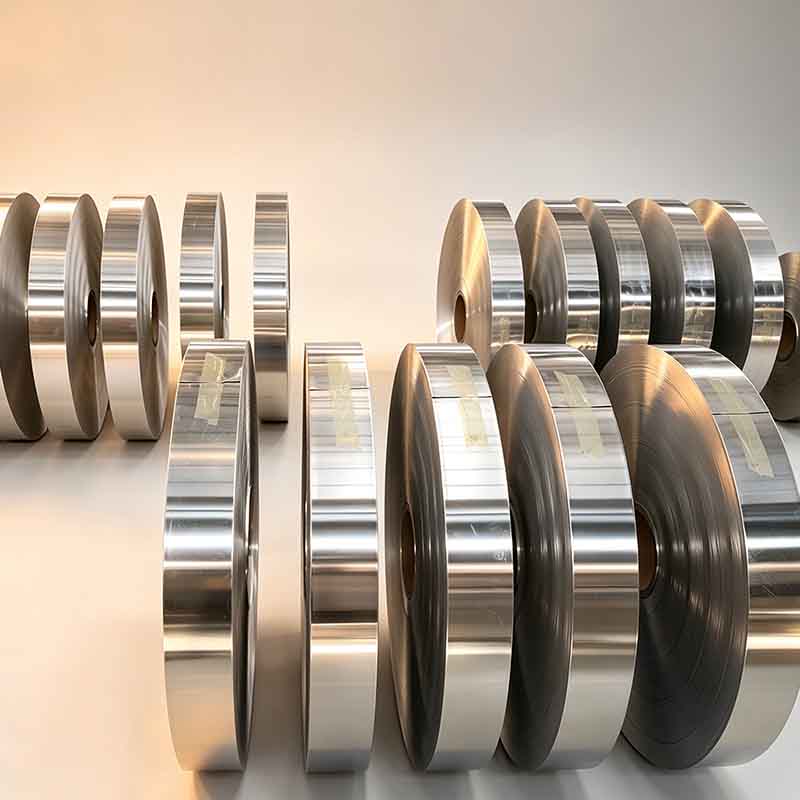
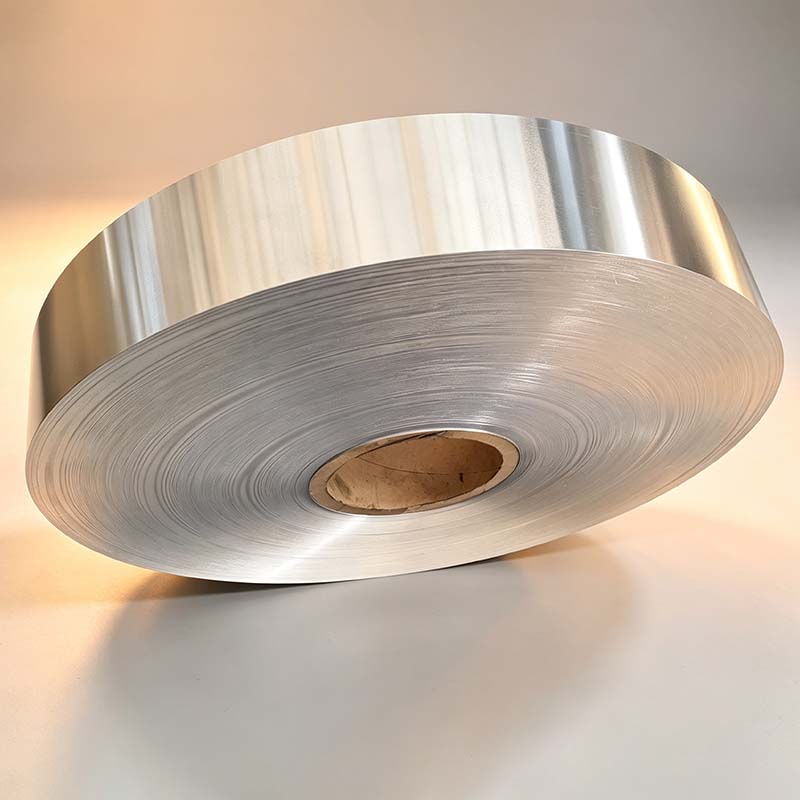
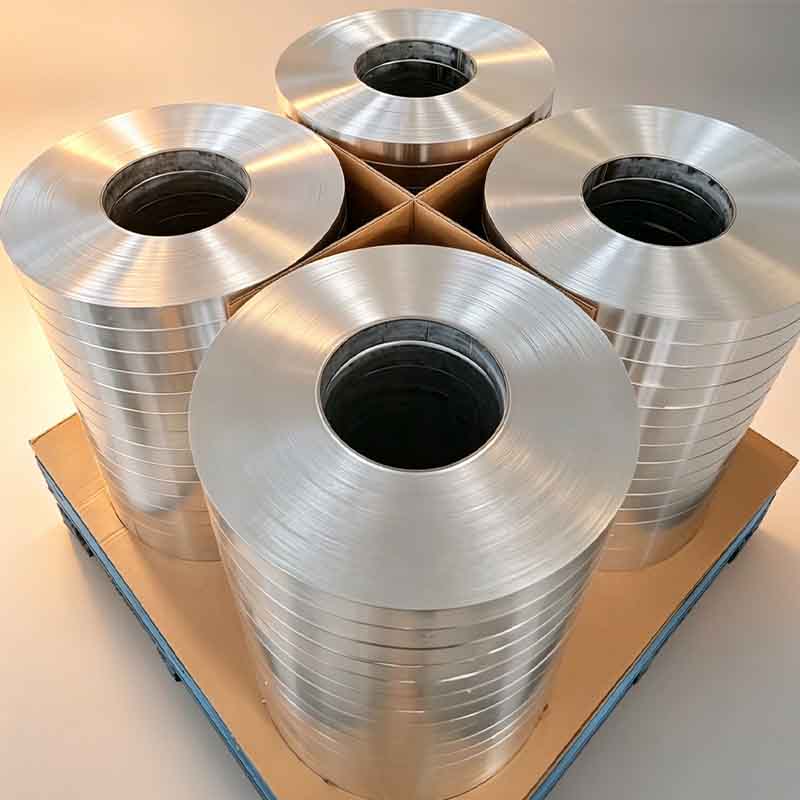
A properly selected Interlocking Aluminum Armor Strip can also improve cable longevity in demanding environments. Aluminum is especially valued because it offers a favorable balance of low weight, corrosion resistance, electrical conductivity, and cost efficiency. Compared with steel armor, aluminum armor generally reduces the total cable weight, making transportation and installation easier.
However, the material dimensions must match both the cable design and its intended application. A strip that is too thin may not provide sufficient protection, while a strip that is too thick can make the cable unnecessarily heavy, rigid, and expensive.
Selecting the Appropriate Strip Width
The width of an interlocking aluminum strip is typically determined by the cable diameter, armor profile, overlap requirement, and production equipment. Wider strips are commonly used for larger cable diameters, while narrower strips are more suitable for smaller cables.
When determining strip width, manufacturers should consider the following points:
1. Cable Diameter
The outer diameter of the insulated cable assembly is the starting point for width selection. Larger cables require a wider strip to achieve proper armor coverage and interlock engagement. If the strip is too narrow, more turns are needed during armoring, which can reduce production speed and potentially create uneven coverage.
For small and medium-sized cables, narrower aluminum strips can provide better conformity to the cable surface. They are easier to form around tighter diameters and may help maintain a smoother overall cable profile.
2. Interlock Geometry
The shape of the strip profile affects the effective coverage width. During armoring, the formed edges interlock with adjacent turns. Therefore, the nominal width of the flat strip is not always equal to the final visible armor width on the cable.
Manufacturers must account for the portion of material consumed by the interlocking folds. Proper calculations help ensure that the strip provides adequate coverage without excessive overlap or gaps. Consistent geometry is particularly important for high-speed cable armoring lines.
3. Production Line Capability
The selected width must be compatible with the forming rolls, payoff equipment, and armoring machine. Using a strip outside the recommended width range can lead to poor forming quality, unstable tension, edge damage, or inconsistent interlocking.
Before making a final selection, it is advisable to verify the machine manufacturer’s recommended specifications. Matching the strip dimensions to equipment capability reduces scrap rates and improves operational efficiency.
Choosing the Right Thickness
Thickness is one of the most important specifications for interlocking aluminum strip. It influences mechanical protection, cable flexibility, weight, cost, and formability.
Typical thicknesses may vary depending on cable type, regional standards, and customer requirements. The optimal choice should be based on the actual service environment rather than simply choosing the thickest material available.
1. Mechanical Protection Requirements
Cables installed in industrial plants, underground systems, mining operations, or areas exposed to physical impact often require thicker armor. A thicker aluminum strip provides greater resistance to crushing, penetration, and abrasion.
For example, cables exposed to frequent movement, rough handling, or possible contact with machinery may benefit from increased armor thickness. In contrast, cables installed in protected conduits or indoor commercial spaces may not require the same level of mechanical reinforcement.
2. Flexibility and Bend Radius
Although thicker strip improves protection, it also increases stiffness. This can make cable installation more difficult, especially where tight bends or limited installation space are involved.
For applications requiring frequent bending or routing through complex pathways, a thinner strip may provide better handling characteristics. The goal is to achieve enough mechanical protection without sacrificing the required bend radius and installation convenience.
3. Cable Weight
Weight is another major consideration, particularly for long cable runs, elevated installations, offshore projects, and transportation applications. Aluminum already provides a weight advantage over steel, but thickness still has a significant effect on total cable mass.
A carefully optimized thickness can lower material consumption and shipping costs while maintaining reliable protection. This is one reason why aluminum is widely used in modern armored cable designs.
Material Quality and Alloy Selection
Dimensions alone do not guarantee performance. The alloy grade, temper, surface quality, and edge condition are equally important. The strip should have stable mechanical properties and sufficient elongation to withstand profiling and interlocking without cracking.
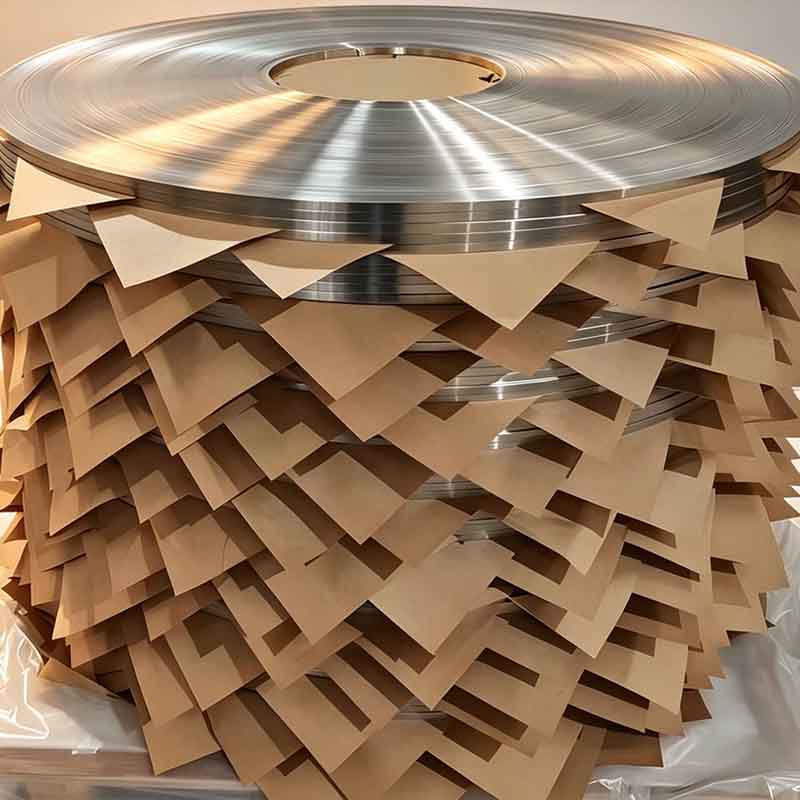
High-quality Aluminum Alloy Strip for Interlocked Armored Cable should feature accurate thickness tolerance, consistent width, clean edges, and a surface free from oil stains, scratches, burrs, and oxidation defects. Poor edge quality can damage forming tools or cause irregular interlocking during production.
The selected alloy and temper should also support the intended forming process. Material that is too hard may crack during profiling, while overly soft material may deform excessively and reduce armor stability.
Final Considerations
Choosing the correct width and thickness for interlocking aluminum strip requires balancing protection, flexibility, weight, cost, and manufacturing performance. The best specification depends on cable diameter, installation conditions, applicable standards, equipment capability, and desired mechanical properties.
Working with an experienced aluminum strip supplier can help cable manufacturers identify the most suitable combination of alloy, temper, width, thickness, and surface finish. By selecting the right material from the beginning, manufacturers can produce armored cables that are safer, more reliable, easier to install, and better suited for long-term service.